

Is testosterone imbalance at the root of your health issues?
Whether it’s fertility, menopause, or any other hormone-related topic, most women are told to focus on maintaining healthy levels of estrogen and progesterone. While these two female sex hormones certainly play a critical role in overall health, there’s another player that often gets swept under the rug—testosterone.
Yes, women need balanced levels of testosterone for optimal health and well-being, particularly when it comes to reproductive health and menopause.
Largely considered a male hormone, most women are unaware of the significant role that testosterone plays in their biology. Unfortunately, this lack of awareness can lead to untreated hormonal problems that leave you feeling tired, depressed, weak, and generally out of balance.
Why is testosterone balance such a crucial issue these days?
Environmental toxins like heavy metals, BPA, phthalates, and pesticides can directly influence this hormone’s synthesis, activity, and function. When left unchecked, this can lead to infertility, PCOS, hair loss, depression, and much more.
In this article, we’ll discuss:
- Why high or low levels of testosterone can be so damaging to female health
- Symptoms of high and low testosterone
- How environmental toxins disrupt the healthy balance of testosterone in your body
- Techniques for bringing your testosterone into balance
- A simple and effective strategy for combating toxins and optimizing testosterone balance
The Importance Of Balanced Testosterone In Women
Broadly known as a male sex hormone, most women consider testosterone to be a secondary marker of health that simply just needs to be kept in check. In truth, however, testosterone plays a crucial role in female fertility and reproductive health. In fact, both low and high levels of testosterone are implicated in infertility[1].
This is due to the interplay of testosterone and follicle-stimulating hormone (FSH). When testosterone is either too high or too low, it can prolong the follicular phase of the menstrual cycle, impacting ovulation and, in some cases, inhibiting it altogether. Without ovulation, your body doesn’t produce an egg to fertilize, and thus fertility becomes a considerable challenge[2].
And like most hormones, the role that testosterone plays in your body isn’t siloed to reproduction. For women, maintaining balanced testosterone is essential for libido, healthy weight, cognitive function, mood, bone density, muscle mass, and feeling motivated and energized[3][4].
While low levels of testosterone may leave you feeling depleted and lethargic, high levels of testosterone in women can be a sign of PCOS (polycystic ovarian syndrome) or other forms of hyperandrogenism.
Symptoms Of High Or Low Testosterone In Women

As you’ll see, some of the symptoms of high and low testosterone are the same, while others are the opposite.
Signs Of Low Testosterone
- Low sex drive
- Low energy
- Loss of muscle strength and tone
- Depression
- Anxiety
- Irregular menses
- Infertility
- Thinning hair
- Vaginal dryness
- Insomnia
- Dry skin
- Weight gain
- Brain fog
Signs Of High Testosterone
- Acne and oily skin
- Irregular menstrual cycle
- Infertility
- Increased muscle mass
- Decreased breast tissue
- Loss of libido
- Mood swings
- Larger than average clitoris
- Increased body and facial hair
- Thinning hair on the head
- Deepening voice
- Weight gain
Environmental Toxins and Testosterone Imbalance
A handful of environmental toxins are known to be particularly troublesome for female testosterone balance. These compounds all fall under a class known as endocrine-disrupting chemicals (EDCs). Aptly named, these toxic compounds target the endocrine system and cause havoc to hormonal balance.
Due to their chemical structure, there are several ways in which EDCs can disrupt normal endocrine functioning, including[5]:
- Mimicking the activity of hormones in your body
- Docking on hormone receptors and blocking them, therefore decreasing hormonal activity
- Altering hormone levels by stimulating or inhibiting their production
- Increasing or blocking the metabolism of hormones
While some toxins increase testosterone to unhealthy levels, others drain your body of this essential hormone. Let’s look at four of the top culprits and how they impact testosterone in your body.
#1 Heavy Metals
Heavy metals are one of the most ubiquitous toxins in our environment today. They’re in our food, water, personal care products, cosmetics, household cleaners—and more. The problem with heavy metals is that they can accumulate in your body over time. So, even though you may only come into contact with small amounts of heavy metals on a daily basis, over time, they build and build and can ultimately lodge in your tissues and organs.
Research shows that heavy metals have been found to increase testosterone levels in women. Lead and cadmium are two metals that have been studied directly, but it’s likely that other metals, such as mercury, aluminum, and thallium, also cause imbalanced sex hormones[6][7].
Unsurprisingly, one study found a direct correlation between low antioxidant levels, high levels of heavy metals, and incidence of PCOS[8].
#2 BPA (Bisphenol A)
BPA is found in various plastics and resins, including water bottles, metal food cans, shopping receipts, and plastic food containers. Much like heavy metals, BPA has been shown to increase testosterone levels in women, with high BPA levels positively associated with PCOS[9].
How exactly does BPA increase testosterone?
Studies show that BPA exposure may increase testosterone synthesis in ovarian cells. Research also shows that BPA can interfere with ovulation, likely due to testosterone’s role in follicular development[10][11].
But here’s where things get even trickier: It appears that high levels of testosterone can interfere with BPA clearance by your liver. In other words, it’s a snowball effect as both testosterone and BPA accumulate in your body, blocking your ability to detox and thus causing even more accumulation of toxins and testosterone[12].
#3 Pesticides
Pesticides are found in GMO and non-organic foods, groundwater (from runoff), cleaning products, and more. Due to the widespread use of pesticides in our food supply, these toxins have seeped into our soil and have become a ubiquitous poison in our environment.
While heavy metals and BPA can send your testosterone skyrocketing, pesticides have the opposite effect; they drain your body of this much-needed hormone[13].
One way pesticides may diminish female testosterone is by upregulating liver pathways that are meant to clear the pesticides themselves. While this may help reduce your pesticide load, it ends up clearing out testosterone along with the unwanted chemicals[14].
As endocrine-disrupting chemicals, pesticides may also interfere with normal testosterone activity and synthesis in several ways, including blocking receptor site activity and mimicking testosterone in the body[15].
#4 Phthalates
Phthalates are used to make plastics more flexible. They can be found in personal care products like deodorant, body lotion, hair spray, shampoo, and soap, as well as food sources like meat and dairy.
Just like pesticides, phthalates are another EDC that may lower female testosterone due to their anti-androgenic effects[16][17][18].
In one study, urinary phthalate levels were measured in association with early-onset menopause. The study authors found that phthalate exposure not only reduced circulating levels of testosterone but also reduced levels of female sex hormones and accelerated the loss of women’s ovarian reserve—instigating early menopause[19].
One way phthalates may diminish testosterone is by targeting the expression of hormone-producing enzymes in ovarian cells. Animal studies also show that phthalates can inhibit testosterone synthesis at the genetic level by altering the gene expression that encodes for testosterone biosynthesis[20][21].
5 Ways For Women To Balance Their Testosterone
#1. Clean Up Your Diet and Personal Care Routine
As you’ve learned, toxic compounds are everywhere in our environment. From food to water to cosmetics, our world is simply riddled with them.
While it may be impossible to avoid them altogether, there are steps you can take to mitigate the number of toxins you come into contact with on a daily basis.
First, begin with your diet. Choosing organically grown foods will automatically reduce the amount of pesticides you consume and will also help to limit your exposure to other EDCs since the soil will naturally be cleaner.
You’ll also want to look at your water supply. Tap water is loaded with toxins of all kinds—antibiotics, heavy metals, pesticides, BPA, and the list goes on and on. If you have a source of clean spring water nearby, that’s your best bet. However, a high-quality water filter can make a significant difference if you’re using water from the tap.
In addition to food and water, take a look at your personal care products. Deodorant, moisturizer, cosmetics, detergents—all of these products can include hidden chemicals that could be messing with your testosterone and other hormones. Look for brands that choose high-quality, clean ingredients to swap out what you’re currently using. If you’re having trouble, check out the Environmental Working Group’s website; they are a rich resource for finding clean products.
#2. Increase Antioxidant Consumption
Heavy metals and other endocrine-disrupting chemicals wreak havoc in your body by increasing the formation of reactive oxygen species (ROS) and instigating oxidative damage—directly affecting the health of your ovaries[22].
When it comes to this type of oxidative stress, the best tool you can have to mitigate the damage is a healthy store of antioxidant compounds.
Antioxidants quench free radicals, reducing the number of ROS flooding your body and thereby inhibiting potential oxidative damage.
While most fruits and vegetables contain antioxidant compounds, some of the most potent sources include turmeric, broccoli sprouts, kelp, moringa, acai, green tea, and medicinal mushrooms.
Including these foods in your diet is an excellent way to ensure your defenses against environmental insults like EDCs.
#3. Liver-Supportive Foods and Nutrients
Giving your liver a boost is one of the best ways to help rid your body of toxins.
Among its many important roles, your liver is programmed for detoxification. The problem is, never before in history have we seen this much toxicity in our environment. As a result, our livers are overworked and undernourished.
Giving your body the foods and nutrients it needs to help your detox pathways along is not only helpful in these times—it’s essential.
Liver-loving foods like broccoli sprouts, beets, turmeric, dandelion, milk thistle, and burdock are all fantastic allies for your liver. These foods are rich in nutrients that support both phase one and phase two liver detox, helping you not only push toxins out of your cells and tissues but neutralizing and assisting in their elimination as well.
#4. Consume Zinc-Rich Foods
Zinc plays an important role in healthy testosterone production, helping to convert testosterone into its active form and assisting in the activity of testosterone receptors. When zinc is deficient, it can deplete testosterone, and research shows that it may also increase your body’s absorption of toxic metals like cadmium and lead[23].
The good news is that supplementing with zinc can improve testosterone synthesis in women experiencing low zinc levels[24][25].
Therefore, keeping your body replete in zinc not only helps to mitigate toxic exposure but also helps to optimize testosterone production—that’s a double whammy.
Some foods that are naturally high in zinc include oysters, beef, pumpkin seeds, pork, turkey, lentils, and sardines.
#5. Physical Activity
While physical activity is essential for overall health and well-being, it is particularly important for testosterone production.
But not all exercise is created equal when it comes to pumping up your testosterone. Research shows that resistance exercise, in particular, may help to boost testosterone levels[26].
Some examples of resistance training include weight lifting, body-weight exercises like squats, push-ups, pull-ups, and resistance band workouts.
All-In-One Detox Support For Optimal Testosterone Balance
If toxins are messing with your testosterone levels, diet, water quality, and clean personal care products will make a significant difference in your toxic load. That said, if you want to go toe-to-toe with the toxicity in our environment today—you’re going to need some extra help.
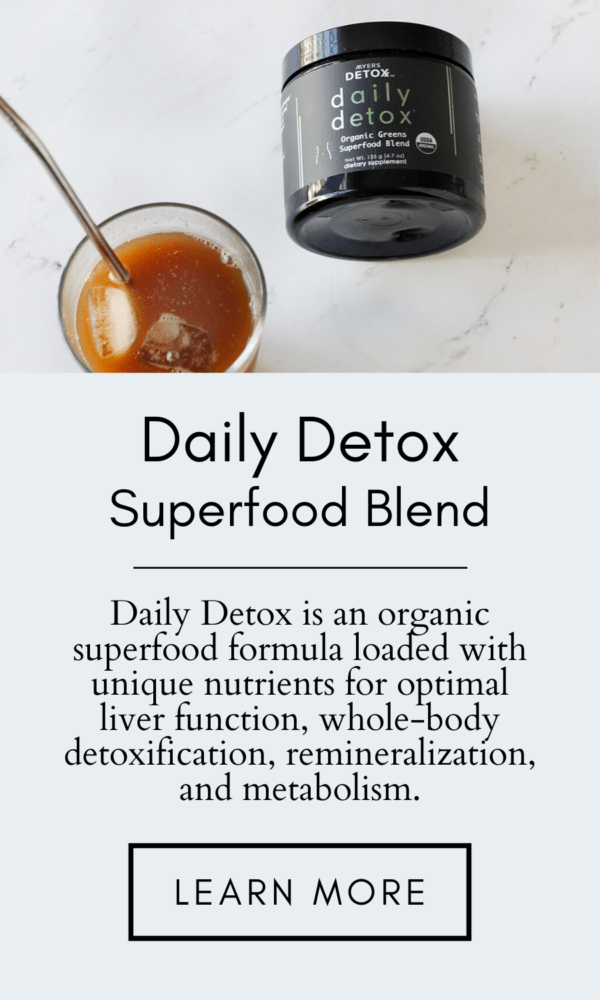
That’s why I created Daily Detox.
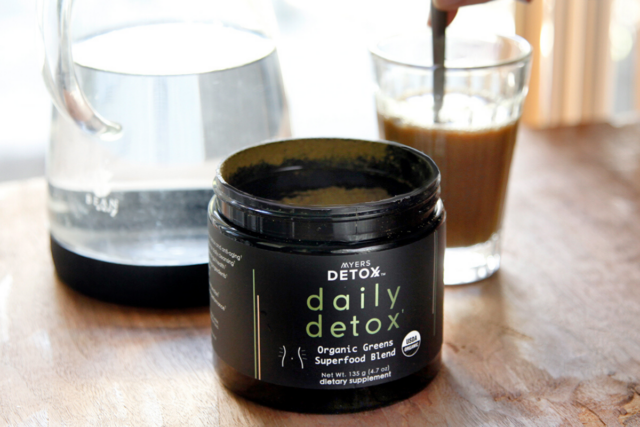
Daily Detox is a blend of the highest-quality superfoods on our planet—including those antioxidant superstars and liver-loving foods mentioned in the section above. Furthermore, Daily Detox includes foods that support metabolism, digestion, and anti-aging, providing you with comprehensive nutrition in one daily supplement.
Once you’ve taken charge of mitigating your toxic inputs, it’s up to you to give your body the nutrients it needs for optimal function in a chemical-ridden world. That’s exactly what Daily Detox provides.
And the best part? All it takes is 30 seconds a day (just enough time to scoop, mix, and drink), and you can find peace of mind that you’re giving your body a hefty boost against hormone-disrupting toxins.
While there are plenty of detoxification programs out there, what sets Daily Detox apart is that it is safe and effective to use every day. The fact of the matter is you can go through a two-week detox protocol and feel better for a bit, but once you stop taking the detox-supportive nutrients, your body will just start accumulating toxins once again.
Giving yourself a daily infusion of detoxifying nutrients is truly the only way to stay ahead of toxicity overload these days, and that’s where Daily Detox comes in.
Takeaway
Female sex hormones play a crucial role in a woman’s well-being, but we often overlook the importance that balanced testosterone plays in the mix.
Whether your testosterone levels are above normal or below, this hormone can mess with your fertility, cognitive function, mood, body composition, and overall sense of well-being.
Sadly, it’s shocking how few doctors test for balanced testosterone levels or even know what a healthy testosterone level looks like in a woman.
With the unprecedented amount of toxic insults we have in our environment today, it’s no longer an option to sweep this hormone under the rug; we absolutely must stay on top of it just like we would any other sex hormone.
Giving your body a daily dose of superfoods like those found in Daily Detox not only helps to mitigate toxic accumulation but also provides your reproductive system with an array of vital nutrients to help it function optimally.
You may not be able to escape environmental toxicity altogether, but you certainly can do your part to enhance your body’s defenses.
*These statements have not been reviewed by the FDA. The information herein is not intended to diagnose, treat, cure, or prevent any disease. Nor is it meant to replace or act as a substitute for speaking to a medical doctor and/or licensed health practitioner. Any products discussed are not intended to diagnose, treat, cure, or prevent any disease. They are not intended to replace any medication, medical test(s), or healing modality prescribed by your medical doctor. Please consult with your doctor before beginning a new supplement regimen.