

How did it get there?
Microplastics.
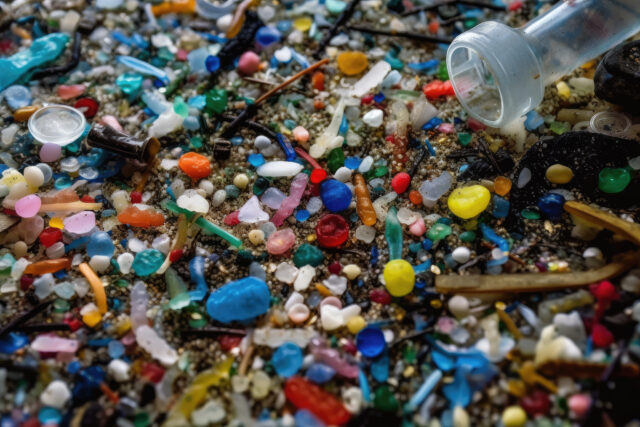
Microplastics have become a massive concern both environmentally and for human health. These tiny particles of plastic are everywhere in our environment due to the soaring use of plastics since the 1960s. While some companies manufacture microplastics for specific uses, most of the contamination in our environment is due to the incomplete breakdown of everyday products like water bottles, food containers, tires, etc.
The result? Tiny plastic particles can now be found in our drinking water, food, and, ultimately, our body.
In this article, we’ll discuss:
- The dangers of microplastics for neurological health
- How these particles make their way into your brain
- Steps you can take to reduce microplastic exposure
- The most important thing you can do to mitigate microplastic accumulation in your brain
Microplastics And Neurological Health
Of all the tissues in your body, it appears that brain tissue is one of the most vulnerable to the effects of microplastics and has the highest affinity for these particles.
So far, research suggests two primary mechanisms for microplastics’ impact on the brain; inhibition of acetylcholinesterase activity and oxidative damage.
Inhibition of acetylcholinesterase
Acetylcholinesterase (AChE) is an enzyme that has the crucial job of breaking down the neurotransmitter acetylcholine(ACh). ACh is essential for various neurological functions, including memory, thinking, learning, and muscle contraction.
The interplay between AChE and ACh allows for the normal function of ACh in its crucial job of carrying messages from your brain to the rest of your body. By breaking down ACh after it’s signaled its message to your nerve cells, AChE allows for the reabsorption of this neurotransmitter, allowing it to recycle in your brain and go back to work once again.
When AChE is inhibited, however, ACh builds up in your nervous system and can cause a range of unwanted side effects, including abnormal or prolonged muscle contractions, sweating, seizures, breathing difficulty, and many more.
Furthermore, abnormalities in AChE are linked to neurological diseases like Alzheimer’s disease, myasthenia gravis, and Parkinson’s disease[2].
Unsurprisingly, one study examining the brain tissue of people who had died from Alzheimer’s disease found up to ten times more plastic by weight in the subject’s brain than in healthy brain samples[1].
Oxidative stress
Studies show that microplastics can induce oxidative stress once in the brain, or any other tissue for that matter. Specifically, lipid peroxidation.
Lipid peroxidation is a type of oxidative damage that occurs when lipids (fats) within brain cells are degraded. Your cellular membranes are composed primarily of lipids, with lipid peroxidation targeting polyunsaturated fats that play a crucial role in membrane fluidity—allowing compounds in and ushering toxins out.
Microplastics cause their damage by instigating the generation of free radicals, which attack the lipids in your brain cell membranes. This creates a chain reaction resulting in the breakdown of cellular components.
Ultimately, the cellular damage caused by oxidative stress can disrupt cell signaling and the overall function of neurons, often leading to cellular death. The oxidative damage also increases your vulnerability to developing neurological and neurodegenerative disorders like Alzheimer’s and Parkinson’s disease[3].
How Do Microplastics Get Into Your Brain?

Studies examining the microplastic content of organs of deceased individuals have found that although all organ systems contained some level of microplastics, brain tissue had 10 to 20 times more than any other organ. That’s an astounding amount of microplastics[1].
But how do these toxins get into the brain in the first place? Technically, the brain and nervous system should be one of the most challenging areas to cross due to what is known as the blood-brain barrier (BBB).
The BBB is a semipermeable membrane that regulates the movement of molecules and nutrients in and out of the brain and central nervous system. This structure is in place to protect the highly vulnerable nervous system from invading compounds like viruses, bacteria, and toxic elements.
The tightly packed cells of the BBB sit between the nervous system and the blood stream, allowing in only essential nutrients like oxygen and carbon dioxide.
So, how do microplastics get in?
There are a couple of theories[4][5]:
#1. Microplastics are inhaled and go through the olfactory system, which is connected to the limbic system in the brain.
#2. Microplastics are able to pass directly through the blood-brain barrier either due to damaging the membrane or potentially due to their unique size and structure.
Either way, what’s clear now is that microplastics are contaminating our environment, and as they do, our brains and bodies are paying the price.
6 Ways To Reduce Microplastic Exposure
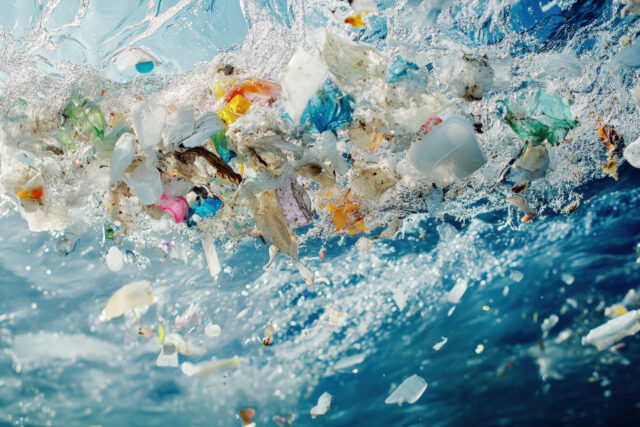
Microplastics get into our bodies via several routes. First, environmental plastics are already embedded into our soil or floating around in our drinking water. And second, there are the microplastics that come off of our plastic-containing products. These include water bottles, food containers, cosmetics, and more.
Below are a handful of tips to reduce your daily exposure to microplastics.
#1. Avoid Plastic Water Bottles And Food Containers
Using plastic water bottles and food containers not only contributes to the level of plastic in our environment but also introduces more microplastics into your body.
Whenever possible, use stainless steel or glass water bottles. Plastic water bottles also contain endocrine-disrupting compounds that can affect your hormonal system.
And the same goes for food containers. Investing in some glassware to store leftovers or for traveling with food will go a long way in reducing your plastic exposure.
#2. Invest In Non-Toxic Clothing
Clothing is shockingly one of the worst offenders for microplastics.
While it may sound strange, most of the clothing sold today contains embedded fibers woven with microplastics. When we wash these clothes in the laundry, the fibers come loose and end up in our water supply.
Wearing clothing with microplastics also increases your chances of contaminating your home environment with these particles which you may eventually breathe in.
There are several non-toxic clothing brands out there, with MATE, Industry Of Nations, and Cottonique being a handful of my favorites.
#3. Get A High-Quality Water Filter Or Drink Spring Water
Our oceans are absolutely riddled with plastic and several other toxic compounds. Filtering your water is no longer an option—it’s a must. But you must ensure you get a high-quality water filter that won’t introduce more plastics into your body (looking at you, Brita).
There are several high-quality water filters out there, with options to install directly into your water supply, or countertop options that you can fill on your own. You can check out some of my recommended water filters here.
Another option is choosing to get spring water delivered to your home. Depending on where you live, there may be a handful of options. Spring water is an excellent choice for water that contains natural minerals without the chemicals we want to avoid. One note, however: if you choose to go with spring water, ensure it’s delivered in glass containers. If you’re getting your spring water delivered in big plastic jugs, then you’re just introducing microplastics back into your water supply.
#4. Never Heat Plastic
Plastic that’s heated allows for all of the potential toxins within the plastic matrix to seep out, including microplastics.
You may still find yourself using plastic here and there when you use to-go containers and other convenience foods. If that’s the case, just be sure never to heat your food or beverages in these containers—that’s the worst thing you can do.
#5. Use An Air Filter
Due to the number of microplastics in textiles (clothing, linens, towels, etc.), our air supply is another significant source of these particles. Using an air filter in your home will help reduce the amount of microplastics you inhale and ultimately ingest into your body.
If you had to choose one room to use an air filter, make it your bedroom. This is where you spend the most time (while you sleep), so ensure that the air in your bedroom is clean.
#6. Reduce Consumption Of Processed Foods
In addition to having a generally low nutritional profile, almost all processed foods are wrapped in plastic. If you need one more reason to focus on whole foods, let microplastics be that reason.
Support Your Body’s Defenses
While I wish I could tell you that steps are being taken to reduce microplastic contamination in our environment, the issue is only getting worse. ‘
In fact, research shows that from 2016 to 2024, the level of microplastics in brain samples has increased by around 50%—a staggering number in just eight years[1].
And although you would never intentionally consume microplastics, research shows that the average person ingests around 5 grams per week—that’s the size of a credit card[6]!
While taking precautions to reduce your exposure to microplastics is an important step, it’s also crucial that you give your body the support it needs to reduce its burden.
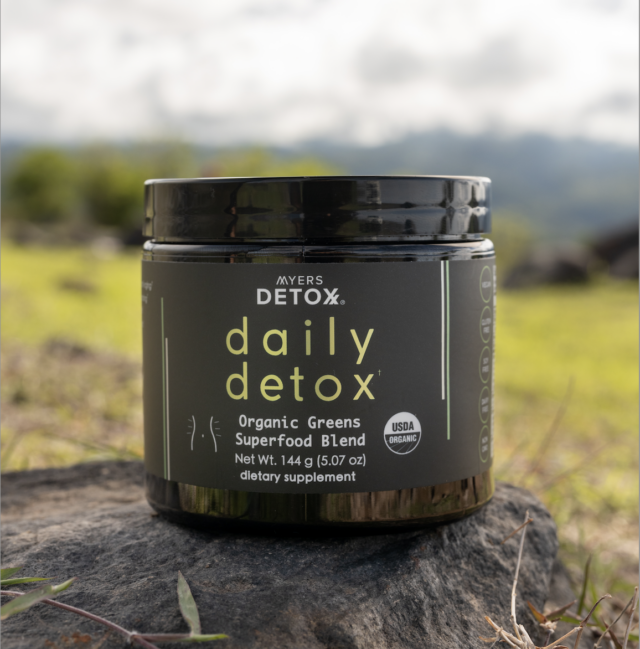
I formulated Daily Detox to help my clients relieve themselves from the burdens of our toxic environment. With a blend of herbs and superfoods, Daily Detox offers powerful nutrients to assist your body’s natural detoxification processes and combat the toxic onslaught we deal with today.
What makes this formula particularly special is that it’s safe enough to be taken every day, but powerful enough to make a real difference in your detoxification pathways.
In addition to microplastics, Daily Detox helps to release heavy metals, pesticides, forever chemicals, and much more from your body.
Takeaway
While researchers have found microplastics embedded in almost all bodily tissues (including the kidneys and liver), they appear to have an exceptionally high affinity for brain tissue. This is a serious concern and should make us raise our eyebrows as we consider the rising rates of neurological disease that we’re seeing today.
In addition to choosing products that are free of plastic, it’s crucial that you support your body’s natural detoxification processes. The toxic burden of the world today is far greater than it’s ever been, so we need modern solutions to modern issues.
Hopefully, as people continue to learn about microplastics, we’ll begin to see a shift in the use of plastic and greater efforts for environmental clean up. Until then, it’s in our hands to protect ourselves and the people we love. So spread the word and take the steps you can to combat microplastic exposure—your body will thank you.