Seven Cancers Linked to Alcohol + How Quitting Transforms Sleep, Hormones, and Income
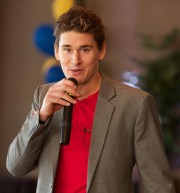
with James Swanwick
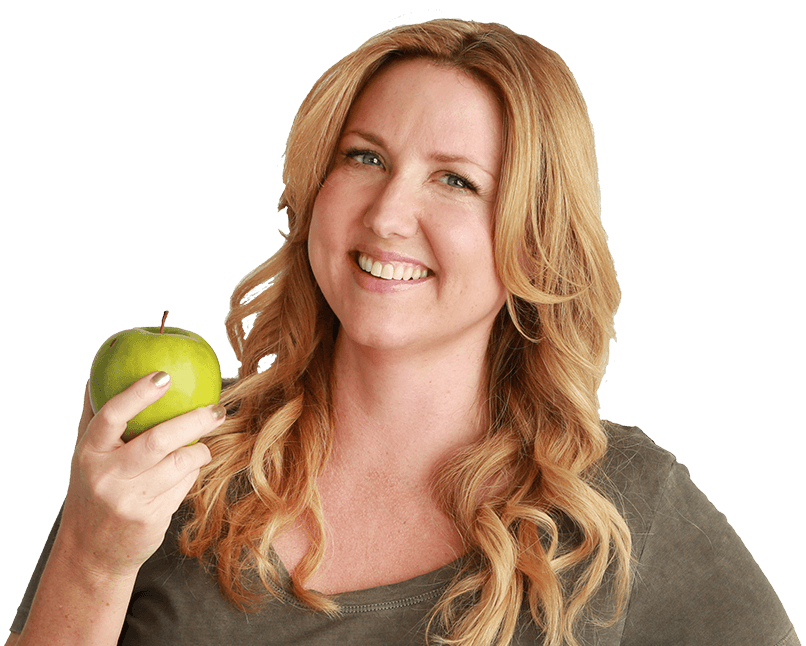
Dr. Wendy Myers
Hello, welcome to the Myers Detox Podcast. I’m Dr. Wendy Myers, and on this show, we talk about everything related to heavy metal and chemical detoxification, and the health issues caused by all of these toxins. We talk about anti-aging and bioenergetics, which is one of my favorite topics, healing through energy medicine, and more advanced topics than you’ll find on other podcasts. We don’t really do the basics here. We have a great show for you today. We have James Swanwick on the show, and he’s gonna be talking about quitting alcohol for boosting sleep, focus, business success, and improved detoxification. When your liver is on fire processing alcohol, it’s not doing anything else.
You’re not detoxing. You’re not optimizing your hormones, certainly not optimizing sleep, but not only that, you’re destroying your brain. We talk about the research wherein people who only drink one drink a night show a dramatically reduced brain volume. We talk about how alcohol wreaks havoc on your hormones if you’re taking hormone replacement therapy or thyroid medication, or you’re a guide taking testosterone. Alcohol is not helping things because you still have to metabolize those hormones and turn them into a different form, or the thyroid hormone’s gotta be converted to the active form of thyroid hormone. You’re not gonna be doing that very well if you’re drinking alcohol on a regular basis.
We debunk the myth that one glass of red wine a day is healthy for you, not true, beyond debunked. We talk about how alcohol reduces your performance in being present with your family, being able to make good decisions in your business, the true cost of drinking alcohol, and how you can dramatically improve your health by quitting for good. James has a great book called Clear. He also has a program that you can do. It’s 90 Days to Quitting Alcohol. So it is a really great show today.
Our guest, James Swanwick, is an Australian American entrepreneur, author, and former ESPN SportsCenter anchor. He’s best known for helping high achievers break free from alcohol. He’s a founder of Alcohol Free Lifestyle, a program designed to help business owners and executives quit drinking without relying on AA rehab or willpower. Through programs like the 30 Day No Alcohol Challenge and Project 90, Swanwick has empowered many individuals to make lasting transformations. Swanwick is also the CEO of Swanwick Sleep, a company specializing in blue light-blocking glasses that improve sleep and performance for professionals. He co-founded the Sports Entertainment Network and is the author of the newly released book Clear, the Only Neuroscience-Based Method for High Achievers to finally break free from alcohol. You can learn more at alcoholfreelifestyle.com.
James, thanks so much for coming on the show.
James Swanwick
Great to be here, Wendy. Thank you very much.
Dr. Wendy Myers
Why don’t you tell us about yourself and how you got into health?
James Swanwick
Well, I was a socially acceptable drinker growing up in my native country of Australia, in that I would have two or three drinks most nights of the week, and I would drink heavily on weekends. I did that from age 16, 17, all the way up until age 35, when I decided to quit drinking for what I thought might be 30 day,s and now it’s been 15 years alcohol free and counting. That was really the turning point for my health journey, my life, my relationships, and how I see the world and experience the world because for those 20 years, from age 16 to 35, I was irritable, stressed, envious of other people, jealous of other people, and not sleeping great.
I was carrying about 30 to 35 pounds of unwanted body weight. I had weathered skin, and I identified that really my drinking habits were a huge part of that, if not the biggest part of that. And so at age 35, I decided I’m gonna take a 30 day break from alcohol just to see what would happen and feel better. I lost 13 pounds in 30 days. My skin improved. I slept better. I auditioned to become a sports center anchor on ESPN, which is one of the most iconic sports TV news shows on US television. I got the job to my bewilderment. So I had this proof that being alcohol free would help me professionally.
I attracted a great romantic relationship. I had a much more positive mindset and I was more generous. I just love the experience so much. I thought I’ll just keep on going. And like I said, it’s been 15 years now, and now I have an organization called Alcohol Free Lifestyle, which supports high achievers, including many women who are balancing career and families and have got health issues to live an alcohol free lifestyle. And then I wrote a book called Clear, which is a neuroscience based approach to help people to stop drinking alcohol. That’s my life’s work.
Dr. Wendy Myers
That’s great. I saw you on social media talking about going alcohol free, and I kept seeing you over and over and over and I thought, I gotta get this message out to my listeners because when you’re trying to get healthy and detox, you can’t just barrage your liver with alcohol every night and expect some miracle to happen with your health. Recently, I also stopped drinking. I’ve never really been a big drinker, but have had my periods when I’ve been depressed, when I’ve definitely imbibed more than usual. But I think that I saw some recent stats on how 8% of cancers are caused by alcohol and I thought, you know what? I think it is just time to quit.
I probably had like one glass of alcohol, maybe one or two a month, which is not really that much, but it still affects you. It affects your liver function, your blood sugar, and your sleep. Anytime you choose to drink, you choose not to sleep that well and that catches up with you. So, what are some of the health repercussions of alcohol? I just mentioned the cancer issue, which pushed it over the edge for me, but tell us some more and expand on that.
James Swanwick
Well, actually alcohol’s been linked to seven types of cancers in actual fact, which is pretty shocking. It could cause a leaky gut. It could cause liver problems, acid reflux, high blood pressure that’s been linked to breast cancer in women, prostate cancer, and men issues with thero and esophagus. It just seems like each and every study that comes out now is linked back to alcohol in terms of health challenges and complications. 400 million people are estimated to have an alcohol use disorder in the world. In comparison, 80 million people have a drug use disorder or a drug that isn’t alcohol. So five times as many people experience an alcohol use disorder than any other drug, and we are seeing increasing rates of cancers and health challenges because of alcohol.
Now, maybe not almost entirely because of alcohol, but certainly that is a massive contributing factor. You referenced that you have a drink on occasion. A lot of my work is really to help people realize that even one seemingly innocent drink per night, just seven standard drinks a week, is still enough to compromise areas of your health, your marriage, your relationship with your children, your self-confidence, your career, and your money-making income-generating possibilities. That’s really the work that I do is to really help people open their eyes to that seemingly innocent drink you think is no big deal could actually be a very big deal.
Ads 08:47
This show is brought to you by Bon Charge, and I wanna take a minute to tell you about one of their amazing products that I’m absolutely in love with. There’s something I’ve been doing for about 10 minutes a day, and it’s wearing a face mask, but it’s not just any face mask. It’s this Bon Charge red light face mask, and it’s essential to my nightly skincare routine now. Believe me, red light therapy really works. It’s well established in the research to improve the appearance of your skin. How it does that is it penetrates deep into the skin to boost collagen production. It reduces the size of your pores, reduces inflammation, and eases the signs of aging.
Bon Charge’s red light face mask makes it so easy to take care of your skin. It’s like a mini spa session every night that I’m doing. It can be used easily at home. There’s no cord, so you can wear it while you’re doing other tasks. Plus, the mask is totally painless and it doesn’t heat up. Unlike some other beauty, anti-aging treatments, Bon Charge’s red light face mask has been a game changer. It’s part of my everyday skincare routine now, and I’m seeing such great results already from using this mask. My skin is more clear, it seems more plump, fresh, juicy, and my redness and dark blemishes are fading.
There’s a very special offer for all of my listeners right now. My listeners get 15% off when you order from boncharge.com and use my promo code, Wendy at checkout. This discount applies sitewide, and you’ll also get free shipping and a 12-month warranty. Go now to get this exclusive offer. That’s boncharge.com and with promo code, Wendy, you get. 15% off. This is one of my secrets to super healthy young-looking skin. I’m trying to reverse the clock. I’m trying to do everything I can to anti-age and this is one of the secrets in my toolkit.
Dr. Wendy Myers
One of the reasons that I would drink on occasion is because you hear you in that study that has been around for decades really, about how one glass of alcohol a day is healthy for you. It is using the kind of rationalization that some of the longest lived people in the world have, alcohol is part of their daily habits. Can you talk a little about that and why that’s now been debunked?
James Swanwick
These studies started to come out in the 80s claiming that a glass of wine a day was good for your heart health. And they’ve been debunked so many times now over the past three decades. But yet we as a society like to try to cling on to this attractively packaged poison and keep referencing this study. An actual fact, in 1991, the television news series 60 Minutes did a very famous, I would submit infamous story on the health benefits of wine. The journalist at the time, his name is Morley Schaeffer, he’s passed now, but he interviewed this French scientist who incidentally also came from a family of wine makers.
And this French scientist was arguing that a glass of wine was actually good for cardiovascular health and was a secret to longevity, et cetera, et cetera. The day after this TV news piece aired, US Airlines reported selling out red wine on their flights. There was a 30% increase in red wine sales over the next 30 days after the episode aired, and a 23% increase in wine sales over the corresponding year. 32 million Americans watched that 60 minutes episode. 60 minutes was a big deal back in 1991, and it was almost as if, wow, now I have proof. Now I’ve got reason to go out there and drink my alcohol without guilt or shame, and it just didn’t stop.
That’s what’s happened over the ensuing decades. There’s just one big problem with that 60 minute minutes episode, and that is that none of it was true. Yeah, it’s all been debunked. It’s all ridiculous. In fact, there was a study that came out in 2022 out of the UK of 36,000 middle aged adults, which showed that even one drink a night, seven standard drinks a week, was enough to destroy gray and white matter in the brain. In other words, one drink a night can cause some level of brain degeneration, and yet we’re still bowing down at the altar of alcohol worshiping this attractively packaged poison, trying to say, oh, but isn’t one drink a day good for you. Isn’t it great? No, it isn’t.
The way medical science is now, what we understand with new technologies and new ways of studying things is increasingly showing that no amount of alcohol is good for you. So again, my work is really to open the eyes of people and bring the latest, most recent studies and information to people so they can make their own choice.
Dr. Wendy Myers
People want some validation for their reasons for drinking. The one glass of wine a day was just that perfect excuse for people to imbibe. I remember thinking many times, oh, I’m gonna have my one glass of red wine and that’s healthy. That’s okay. I’ve thought that so many times. I can’t even tell you. Not anymore. But, let’s talk about some of the health effects of alcohol that people may not be aware of. What is it doing to your liver? Obviously your liver is your main detox organ. The liver’s gotta process this three alarm fire whenever you drink alcohol. It’s gotta process that. What else is it doing to your liver?
James Swanwick
Well, alcohol turns your liver into a hormone disruptor. The liver regulates estrogen, testosterone and the thyroid hormones. Alcohol damages the liver cells and reduces its ability to metabolize hormones, which causes imbalances that affect mood, fertility, and metabolism. Alcohol raises estrogen, especially in men. So if you have damaged liver function, then you have poor estrogen clearance, and this leads to elevated estrogen in men, which can cause fat gain, especially around the chest and the belly, low libido, mood swings, and reduced muscle mass. In women, it can inflame or worsen PMS. Alcohol can also block fat metabolism in the liver. So the liver actually prioritizes metabolizing alcohol over everything else, including fat.
This can promote fatty liver disease, which affects over one in four adults and often goes undiagnosed. It disrupts cortisol and insulin regulation, destabilizes blood sugar over time. This can lead to insulin resistance, adrenal stress, and hormone chaos. It suppresses our detox pathways. So liver detox phases which are known as phase one and two get overloaded when alcohol is present. That means a slower clearance of toxins, excess hormones and inflammation, all of which affect the thyroid, sex hormones and the mood. So none of that sounds good. A lot of that was a lot of very specific things. None of that’s particularly good for us. I would submit Wendy.
Dr. Wendy Myers
Yeah, and especially for the women listening that are perimenopausal, say they’re 40 to 50 years old, that’s the last thing that you want to be doing when you already have hormonal dysregulation, reduced hormone production, and when you’re having trouble sleeping. For women, estrogen goes down and cholesterol starts creeping up. They also have blood sugar regulation issues as their liver function may decrease and the pancreas starts to wear out. So really that’s just adding fuel to the fire and, but yet there’s so many people having that glass of wine every day at the end of their work day.
James Swanwick
My wife is pregnant at the moment and she has had some really noteworthy mood swings. Her hormones are all out of whack. As we’re recording this, she’s 11 weeks pregnant and she’s been having a really tough time with mood swings and some sadness and catastrophizing things. It’s fascinating to watch. I have so much empathy for her, and she’s so brave. Every woman who’s gone through that, I really salute you because I had no idea that it could be that pronounced. And I say that because even for women who are not pregnant, alcohol affects our mood.
I say our men and women, I was really referring to women in general for this part of the conversation. But alcohol affects our mood. It messes with our hormones, which can cause noteworthy mood swings, sadness, depression, irritability, frustration, and anger. Marriages have ended unnecessarily because of mood swings for men and women, exacerbated in part due to consuming attractively packaged poison. This poison, which we call alcohol, has been proven to increase stress, increase anxiety. What does that do? I’ll tell you what it does. It makes us more irritable, more prone to react instead of respond, which shows up as fighting with your partner, being disengaged with your children, feeling upset with a boss or a colleague in the workplace, feeling helpless about the future, being angry with the president or the current economy, politics, et cetera, et cetera. All of that irritation and frustration we feel is exacerbated when we drink that poison.
Dr. Wendy Myers
Can you walk us through that self-medication that people are doing? A lot of people rationalize themselves, oh, I need this to reduce stress, or, I need this to go to sleep. Let’s just talk about sleep for right now. Why is the alcohol not helping with sleep at all? What does that look like?
James Swanwick
You’re better off drinking for breakfast than you are anywhere close to bedtime, because at least if you drink alcohol with your corn flakes and toast in the morning, your body will have 16 hours to get rid of most of the toxins that you’ve just drunk. The problem is that most people are drinking at nighttime, close to bedtime, and what we’re essentially doing is clocking the body in for a night’s work at a time when we’re supposed to be clocking the body out of the work that it’s been putting in during the day. So just when you feel like, oh, I’m ready to rest with sleep, you drink that alcohol, it gives you this temporary illusionary feeling of rest, but you’re actually going, okay, time for the body to go to work for the next eight or nine hours.
Now what happens is that while it is true that drinking alcohol may in fact help you to fall asleep, ’cause it can be looked at as a sedative, however, the quality of that sleep is going to be so severely compromised that you will wake up feeling tired and irritable and frustrated. There’s some shame and regret and feeling lethargic because you had that glass of alcohol or two or three or four the night before. So drinking I would submit doesn’t necessarily help you fall asleep. What might be more accurate is to say that drinking alcohol close to bedtime helps you pass out. That may be true. But then you undo any benefit of that with the quality of your sleep being severely compromised,
Ads 21:44
And now a word from one of our sponsors at the Myers Detox Podcast. I wanna tell you about a lip peptide treatment that I’ve been using and I’ve gotten amazing results. It was created to help you restore smoothness, fullness, and lasting hydration to your lips while protecting against visible signs of aging and environmental stress. And what I love most about this lip peptide treatment is that it contains true energies and signature proprietary bio photon frequencies to enhance cellular communication, optimize ingredient absorption, support collagen production, and helps lips maintain their smooth, fuller appearance over time. It’s something I’m really into right now at age 53, and honestly, I can’t ever see myself using any kind of skincare unless it has frequencies in it that enhance its effectiveness and sends new information to your skin into your lips to improve their appearance.
This Tru Energy peptide contains plant-based botanical oils, vegan moisture, ceiling waxes, and a collagen boosting clinically studied peptide infuses the Tru Energy signature frequencies to condition, smooth and energized lips for a healthier, more youthful appearance. Each ingredient is also sourced to meet high purity standards and doesn’t contain any synthetic fragrances, parabens, toxic ingredients, or harsh petrochemicals. So if you’re ready to smooth away the look of fine lines around your lips, maintain lasting softness and hydration without stickiness, enhance natural lip volume and contour, protect against dryness, flaking, and environmental damage, and energize your own lips, repair and renewal cycles, Tru Energy is offering a BOGO special so you can get buy one get one free for a limited time for my listeners only.
Go to trytruenergy.com/wendy3 to buy one, get one offer. This is something that I use every single night. I absolutely love this product. I highly recommend it.
Dr. Wendy Myers
People are really after that gaba. When people do drugs or alcohol, they’re self-medicating essentially and using it to feel a certain way. You’re really just after the gaba. So why not just take gaba? That makes more sense to just take some GABA to go to sleep and you’ll get a much better result. When people drink alcohol at night, you are raising your blood sugar. And when you do that, a couple hours after that alcohol, your blood sugar goes up and so does your cortisol when your blood sugar goes up and then you end up waking up and that’s the last thing you want.
Your blood sugar stays high the rest of the night. So guess what? You’re not burning any fat, which is what you should be doing when you’re sleeping. You’re not detoxing what you should be doing when you’re sleeping. So it just creates this whole cascade of problems, including not sleeping well
James Swanwick
The other problem with drinking alcohol at any time, whether it’s breakfast or evening, is that it leaves you with an increased appetite. And so you are prone to wanting to eat more, which then raises your blood glucose levels and gives you a spike and also puts on more unwanted body weight in many cases. If you think about it, if you go to a restaurant, you walk in and you say, I’m not gonna drink tonight. Or rather, I’m not gonna have the dessert tonight ’cause I’m watching my weight. Then the smiling assassin comes over the waiter or the waitress, I call them smiling assassins ’cause they’re smiling as they’re about to offer you.
They’re attractively packaged poison. I say, hello, Ms. Myers. Hello Mr. Swan. Can I get you started with a glass of wine? Can I get you something from our drinks menu? They’re essentially saying, can I get you started with a poor night’s sleep? Can I offer you 10 pounds of unwanted body fat? And then we drink that drink. Then later on, about an hour later, they come over and say, oh, here’s the dessert menu. Can I get you ice cream? Can I get you a cookie or a muffin or creme de relay or whatever? Well, because you’ve had that glass or two of wine, the body is now craving carbohydrates. It’s now craving more food.
Now the self-discipline you swore that you would have at the beginning of the meal has gone out the window and you’re like, oh yeah, okay, all right, anyone wanna share the creme brule? Anyone wanna share? And then you get like three different spoons and now you kinda share it, but you’re like competing to see who can get more of the chocolate because it just tastes so damn good. Now you’re eating another 200 calories, maybe that you didn’t want to, and now you know your sugar level is going up. And then you go to sleep. Now you’ve got two glasses of wine and you’ve got sugar, you’ve got unwanted calories. Then you wake up in the morning and you wonder why you get on the scales or whatever it is that you do, and you haven’t lost those pounds that you intended to. Or even if you have, and it’s not really about weight loss or the scales, maybe it’s just about how you feel.
You’re like, I feel like crap. I only had two drinks and I feel like crap. I only had a few bites of the ice cream and the creme brute. I feel like crap. Or if you don’t feel like crap, maybe it’s just you don’t feel it at your best. Instead of feeling like a nine outta 10, you feel like a six or a seven. And that shows up with like, oh, I’m pretty tired. Let me just go and have a muffin. Let me go and get some chocolate or have a Gatorade, just gimme a little energy boost. And then you get stuck on this vicious cycle that just goes on and on and on.
Dr. Wendy Myers
And then you feel like crap and you wanna drink again the next day. Start that cycle all over again. You talk about the situation at dinners, poor decision making because alcohol lowers your inhibitions. You’re going to make poor decisions habitually when you drink on a regular basis.
Let’s talk about high performers. You advise high performers and people in business and entrepreneurs to not drink. Can you expand on that and how it helps people in every aspect of their life, including business?
James Swanwick
Well, let’s talk about the business part of this. Maybe you have an entrepreneur who’s a listener. Maybe you have someone who’s an executive. I help a lot of people who consider themselves to be high performers, and that includes a business owner, an executive, a CEO, an attorney, a doctor, a physician, a chiropractor, a pilot, a real estate investor, and a retiree. A lot of our clients are in that demographic, mostly in their forties, fifties, or sixties. And often what happens is they come to us as a prospective client and we ask them some questions. What’s going on? Tell us about your business. And they say, oh, I’m probably operating at about a six out of 10 compared to what I know by potential is.
And I say, okay, well, how much money does the business make an annual revenue? Let’s just use an example, Wendy. A million dollars annual revenue. Someone comes to me, they’re drinking. They’re six out 10, they’re tired, lethargic, and irritable. They don’t hire someone quickly enough. They don’t fire someone quickly enough that they don’t have a strategic direction. They’re just drifting in their business. A million dollars a year outta six out of 10. I go, okay. Now, if you were alcohol free for at least 90 days, but let’s say for a year, and now you had clarity focused energy, you’re sleeping better, you felt more confident. You hired someone quicker, you fired someone quicker, you made an additional sales call.
You raised your prices, you were thinking strategically in the business, and you were feeling like you’re operating in an eight or a nine out of 10. How much money would that business make? And then they invariably say something like, I would either double my revenue or maybe I’d do half again. And I go, okay, let’s do the most modest figure here, half again. So you are telling me you would generate an additional $500,000 a year if you were alcohol free? And they say yes. And I say, okay. Your drinking habits are costing you half a million dollars a year. And then I shut up and there’s this silence, and there’s usually like this proverbial dropping of the penny.
A penny drops and I go, oh, wow. My drinking habits are costing me half a million dollars a year. And then I say, yes, they are. It’s not that you’re spending two or three, $4,000 a year on alcohol, it’s that you are not making half a million dollars in the business because you’re drinking alcohol. Then I pull out my calculator, I’ve got my calculator here, Wendy, I’m showing you, and I say, let’s divide five. Let’s take $500,000 and divide it by 365 days of the year. Each day of the year you have a drink, it’s costing your business $1,369 and 86 cents. And I say, how many drinks a day or night do you drink? They’ll say, two. I’ll say, how many is it really? And they might say three. I say, okay, I’ll give you the benefit of doubt.
Two drinks a night, 700 drinks plus per year. Let’s divide that number by two. Each drink that you choose to drink is costing you $684 and 93 cents. That’s a pretty damn expensive cocktail, Dr. Wendy Myers. No, you open up that bottle of wine, you pull yourself a glass of wine as you’re cooking dinner or you are sitting down relaxing at the end of the day, $684 and 93 cents is what it’s costing you. So that’s really how I help entrepreneurs or executives really identify the financial cost of that seemingly innocent drink at the end of the night.
Dr. Wendy Myers
That’s very compelling. Let’s talk about the brain functioning also because when you’re a high performer, you need your brain working, juggling lots of projects, downloading ideas and just all these things that you have to do. Your memory has to be working really good. All these things are totally incompatible with drinking alcohol. So you mentioned earlier that our gray matter shrinks when you drink alcohol. And I’ve seen some really compelling research on this. It’s really shocking how much the brain can shrink over decades of using alcohol at a pretty minimal amount. Can you talk a little about that?
James Swanwick
I referenced that 2022 UK study of 36,000 people that linked alcohol to reduced brain volume, gray and white matter into the brain, and that’s tied to memory and decision making. It damages the prefrontal cortex of the brain, which is your executive control center. Effectively, that affects your impulse control, your judgment, and your focus. So this makes it a lot harder to say no to alcohol, bad decisions that affect your performance. Alcohol also rewires the brain’s reward system. It floods the brain with dopamine. So when we drink alcohol, it lights up our dopamine receptors like the 4th of July.
It’s like fireworks are going off. The challenge is then that as we drink this and the dopamine receptors get lit up like the 4th of July, we now need more of that alcohol to give us the same 4th of July feeling. Suddenly we get to a point where we’ve been drinking for many years and initially it was like 4th of July fireworks, and now it’s like, oh, there’s a little kids Sunday afternoon kind of fireworks display going on. It doesn’t give us the same kind of high, so now we need to drink more to return to that 4th of July fireworks. It disrupts our neurotransmitters, especially gaba, which you referenced before, serotonin and glutamate. Drinking can create the feeling of initially calming you, but over time, with that overuse, it leads to this rebound anxiety.
The serotonin levels get affected. It lowers serotonin, which now increases depression. It suppresses our glutamate, which reduces our learning and memory function. And then long-term use of alcohol shrinks the hippocampus, which is the memory part of the brain or the part of the brain that’s responsible for your memory. Even in people who might consider themselves just to be a modest drinker, regular drinking’s been associated with reduced volume in the hippocampus, which leads to memory lapses, slower learning, and early cognitive decline. My mother is 80 years old. She’s married to a wonderful man who’s 83. He’s got dementia.
He’s been a lifelong drinker, and I wouldn’t say he was an alcoholic. He was a socially acceptable drinker, two or three drinks a night, beer, wine, scotch, whatever. I didn’t see him drunk. I didn’t seem to be behaving poorly. He’s always been very good to my mother. I can’t prove it but anecdotally, I’m convinced that his dementia and cognitive decline is in part because of a lifetime of drinking habits.
Dr. Wendy Myers
I’ve seen videos with Dr. Daniel Alman, where he’s looking at the brains of drinkers and they look exactly the same as people with dementia. That really drives the point home and the proof is in the pudding when you’re looking at these brain scans. And is any of that reversible? Say if someone has been drinking for a long time, can they regain some of that brain functioning or brain volume?
James Swanwick
It’s possible, yes. I candidly don’t have as much expertise from a scientific point of view on this, but I can tell you anecdotal evidence because I’ve been coaching people for 10 years now, not specifically to do with dementia or Alzheimer’s or anything like that, but let’s just call it cognitive function. Wendy, I’ve had so many clients come to us as drinkers, foggy, distracted, irritable, seemingly unable to solve life’s challenges, and then they go consistently alcohol free through our 90 day stop drinking process or our one year stop drinking process, and suddenly they start saying they are able to solve more problems. I’m able to solve problems quicker, faster.
In fact, there was a study that came outta the University of California in Riverside, California about five years ago. Dr. Rachel Wu is an associate professor there, and she conducted a study of a group of 60 to 80 year olds, so folks of her 60 70s and 80s. They hadn’t been doing any formal education since the age of 40. In fact, just to backtrack slightly, there’s a study that shows that 50% of people over the age of 40 will never participate in any kind of formal education. Again, they’ll scroll on Instagram and Facebook, but they won’t do a course or a program. They won’t learn a language, they won’t learn how to play the piano.
50% of people over the age of 40 just stop formal learning. What she did was she took the group of 60s, 70s, and 80 year olds and, and did a study where they had them do five classes. A week for 90 days, so five classes, formal education, teaching them history and music and passion, all this kind of stuff. What they found was that after 90 days, the cognitive abilities of those people in their sixties, seventies, and eighties returned to the cognitive abilities of people in their forties and fifties. So it returned to middle aged cognitive abilities. They tracked that same group over an additional nine months. So one full year, five classes a week, and after a year, they tested their cognitive abilities. Their cognitive abilities had returned to young people’s levels, folks in their twenties, thirties, and and forties. Now that’s just with exercising the mind and having it think that is extraordinary.
So imagine if we now remove alcohol from the equation, which wasn’t part of this particular study, but knowing of this study and now removing alcohol and knowing the damaging effects that we have on alcohol, imagine what we could do to our brains in that scenario where we remove the poison and we just engage in some kind of formal learning.
Ads 38:33
I wanna say a couple of words about one of our Myers Detox Podcast sponsors, Qualia Senolytic. It’s a cutting-edge formula designed to help your body eliminate senescent cells, also known as zombie cells. These outdated cells hang around draining your energy and slowing your workout recovery, and causing all kinds of havoc and mayhem. Backed by clinical research, Qualia uses nine plant-based compounds that support joint comfort, sharper focus, and better aging naturally. And here’s the kicker, you only have to take it two days a month.
It is simple, backed by science, and validated by research. You can try it risk-free with a hundred-day money-back guarantee. Go to qualialife.com/wendy and use code Wendy to get 15% off. You wanna try Qualia Senolytic. This is something that I’ve been taking. It’s part of my anti-aging protocol, because getting older doesn’t have to feel like it.
Dr. Wendy Myers
That’s fantastic. Do you have any client stories or anything that you can tell us of people that have quit and just dramatically improved their lives?
James Swanwick
Evan Melcher is a 50-year-old financial services manager out of Atlanta, Georgia. He came to us as a drinker. He was on five different prescription medications including acid reflux, depression, sleep, high blood pressure, and something else. I can’t remember. He had a young son who was three years old. He went through the program and stopped drinking within four months of starting stopping drinking. He was off all of his prescription medications. He was at a party on a Sunday afternoon where he would ordinarily be drinking, but on this particular Sunday, he was not, because he was now four months alcohol free. His 3-year-old son was drowning in a pool.
He became aware of this, jumped in, pulled his son out, performed CPR, called the ambulance, rushed him off the hospital. He saved his son’s life. Thankfully, his son is great, is still with us. Evan has said repeatedly that if he had been drinking that day, as would’ve been the norm, he would not have had the awareness that his son was drowning in the first place and he wouldn’t have been able to have performed CPR and performed to save his son’s life. That’s one story that’s pretty compelling. The same gentleman as well, wore an aura ring as a drinker and tracked his heart rate variability and his heart rate, and then he tracked his heart rate as a non-drinker, starting from the moment he started our project 90. He stopped drinking program until a year later.
He said after a year of being alcohol free, he estimated and calculated that he saved himself 5 million heartbeats. As a drinker, his heart was doing something like this. That might be a little bit of an exaggeration, I’m not sure, but let’s just say his heart rate was having to work pretty hard to like get alcohol out and to keep him alive, and to keep him healthy, as healthy as it could. And then he stopped drinking alcohol. His heart rate returned to something like this, much slower, much calmer, more effective, much smoother, 5 million heartbeats he saved in one year. That is extraordinary. There’s so many stories of people who come in here who reverse health complications, reconnect with loved ones, and save a marriage.
There was a gentleman named Christian who lives over in London in the United Kingdom, and for the last three years of his wife’s life, he cared for her. She had a terminal illness. He became very stressed and anxious, and drank a bottle of wine every night as he was caring for the love of his life, who he’d been married to for 40 years. She finally passed. He drank for another year with grief and sadness, putting on 40 pounds. Lost hope, was devastated at the loss of his wife of 40 years, whose name was Ginny. And after a year, he recalled one of the last conversations that his wife had with him, which was, Christian, I want you to sail across an ocean because you’ve been talking about wanting to learn how to sail. It’s been on your bucket list, you’re not doing it. You haven’t done it. You’re 70 years old when I passed, that’s what I want you to do.
It took him a year. He joined our program, stopped drinking alcohol, finally committed to it and learned how to sail. Six months after that, he competed in a yacht race from Spain to the Caribbean to St. Kitts as a testament to his late wife Ginny, in honor of his late wife Ginny. He was alcohol free. And he shared that when he got off at the other end at St. Kitts, everyone who was on that boat and all the other competing boats who were there, they all went to the bar and they all started drinking. He went to the bar and drank a soda, water, ice, and a piece of lime as an alcohol free man. And then left the bar after about an hour and a half.
He just walked around and watched people drinking and just thought about his wife and thought, wow, I did it and I’m alcohol free and I feel amazing. So they’re the kind of beautiful things that can happen when you choose to consistently be alcohol free.
Dr. Wendy Myers
That’s amazing. That’s great. Another reason why I have decided to stop drinking is I feel like bars are very low frequency places where people are going. Everyone’s drinking and they just tend to be people with a lot of trauma, with a lot of issues they’re trying to bury. It’s not a place that I wanna be ’cause that’s gonna affect you. You’re going to be negatively impacted by that. If you’re with someone who drinks all the time, you are going to be impacted by that as well. They make poor decisions. A lot of people that cheat, that can be a function of alcohol. People that commit crimes, people that are screwing you over in business or whatever the case may be, a lot of that is fueled by alcohol.
James Swanwick
It is and those bars can be those places. I remember when I was a drinker, I would go to the Jones Bar on Santa Monica Boulevard in Los Angeles, California with my friends Zach and Tom. And we would go there twice a week and I’d have a wine or a gin and tonic or a beer. Then when I stopped drinking alcohol, I would return to that same bar, the Jones Bar, drinking soda, water, ice, and a piece of lime. My experience there was very different both times. The first time it was fun, pleasant enough, but I was drinking. But then I had all the consequences the next day and later on in the week.
And then when I returned as a non-drinker, what was interesting is that my friend Zach, still tried to get me to drink to the point where he actually slipped vodka in one of my drinks and tried to get me to drink it. I was like, this is crazy that even my friends don’t support this decision. But I was more aware. I actually had more fun than I did as a drinker in the bar. But what I also found is that I just naturally started gravitating away from actually going to bars in the first place. It’s not that I couldn’t go into a bar now and not enjoy myself, I could as an alcohol free man, because any environment, I’m calm and fun and I’ll find pleasure out of it.
I’ll just be drinking my alcohol free alternatives. But you are right. What you say, Wendy, in that, for the most part, if you go into a traditional bar across the United States, now probably what you would find is most people who are drinking are doing it because of a sense of loss or because of stress or anxiety, or try to get some relief from the discomfort of being themselves. And when you’re in an environment like that where everyone’s trying to get relief from the discomfort of their life, that is a breeding ground for negativity, poor decision making, bad energy, which can then show up in your health, your relationships at home, your clarity, your focus, and your wellbeing.
Dr. Wendy Myers
The bars are just not nearly as attractive when you’re not drinking. Can you give some people some tips on how to stop drinking, especially if they’re using it as a crutch, they’re using it to push down feelings, emotional trauma and stress and things like that? How do people go about doing that? There’s lots of couples that drink together and married couples that drink, and I’m sure people can see that as being a problem if they wanna quit, but then their spouse wants them to. There’s a lot of different things to navigate when you’re considering stopping drinking.
James Swanwick
There’s two chapters in my book, Clear, which outlines the strategy for doing this, but I’ll reference a couple of them. First thing is, stop trying to quit alcohol. Instead, focus on what you will do or what you do desire. For example, let’s do the pink elephant thing. If I asked you to close your eyes, Wendy, and I said, do not think about a pink elephant. You will probably think about a pink elephant. Even though I said, don’t think about a pink elephant. Now, why is that? I’ll tell you why. Because there’s a bundle of nerves in our brain called the reticular activating system. And when we’re thinking about a particular topic, we’re talking about a particular topic.
We go out throughout our day and we just tend to see more of those things we’ve been talking about. For example, if we talked about a red car, red car, red cars, Teslas, BMWs, red cars, you and I might go out in our car later on and all of a sudden we start to see red cars. The red cars would ordinarily and have always been there, but now we notice them because we’ve been talking about it. That’s the RAS. So when people are saying, I gotta quit alcohol, I need to stop, don’t drink tonight. All you’re doing is focusing on more alcohol, and so it’s very easy for them for you to just go, ah, whatever. Let me have a drink. Instead, we change our verbiage from my need to quit, I have to quit to I get to be alcohol free.
I can only drink soda, water, ice, and a piece of lime tonight. I love going to bed feeling refreshed. I can’t wait to drink my mocktail this evening. I’m gonna walk up to the barman tonight at this restaurant dinner that I’m going to and confidently order a soda, water, ice lime, a little bit of mint, maybe throw it a little bit of cranberry there. It’s gonna be delicious and refreshing. Now, in that scenario, we’re telling ourselves what to do. We’re telling our reticular activating system healthy choices, positive action. Now we’ve got a goal we can achieve, and it feels a lot more simple than, I need to stop. I can’t trick. I have to quit. So to summarize all that, the first step is to change your verbiage.
Focus on what you will do. I get to be alcohol free. I choose to be alcohol free. I love being alcohol free. I’m ordering this alcohol free drink tonight. Second thing is to look at living an alcohol free lifestyle as the joy and the reward. Stop looking at drinking alcohol as the joy and the reward. Stop looking at not drinking alcohol as deprivation and boredom and being dull, and start looking at living alcohol free as fun and joyful and freedom. Most of us are going through life going, oh, if I’m gonna stop drinking, I’m gonna be dial boring. I’ll have to retreat from society. I won’t be able to go to parties. I won’t be able to go to the dinner party. I won’t be able to go with co nonsense. Go to all of those events where alcohol is flowing and just be alcohol free.
You will have the most fun. You’ll dance on tables if that’s what you’re into. You’ll be engaging. Talk to people. You’ll smile, you’ll laugh. You’ll own being alcohol free. You’re not depriving yourself of something. I would also say stop referring to drinking as a special occasion. Oh, I’ll just drink on a special occasion. Why is attractively packaged poison worthy of you referring to it as a special occasion? Every day you are alcohol free with joy and clarity, and a great night’s sleep and a smile on your face, and living a life of appreciation instead of expectation. That’s the special occasion, and you get to generate a special occasion every day and day of your life. There are a few practical things.
The other thing I would just say is get around a group of like-minded people who have a common goal, which is improving their health, being alcohol free, or at least who drink modestly and don’t need alcohol in order to create a social connection, romance, networking, drinks with colleagues. Get around that group. And that’s candidly what our organization does. We get like-minded people, executives, entrepreneurs, people who are in their forties, fifties, sixties. We get ’em together, we coach them, we support them, we empower them to live an alcohol-free lifestyle. And because there’s that relatability amongst the similar demographic and a similar outlook and life from the similar professions, now it’s like, oh, these are my people. I get to do this. Great. And then everyone supports each other. That’s when change becomes probable.
Ads 52:34
For anyone listening who really wants to detox their body, go to heavymetalsquiz.com. I created a quiz for you. It only takes a couple of seconds and it’s based on some lifestyle questions. You can get your toxicity score and get a free video series that answers all of your frequently asked questions about how to detox your body. Check it out at heavymetalsquiz.com.
Dr. Wendy Myers
Another reason I stopped drinking was because I wanted to be more present. I wanted to be more still. I wanted to maximize my intuition. I wanted to maximize my ability to hear God’s messages to me and my inspiration and in that, I just feel like a lot of that happens in the early morning. Say if I wake up in the middle of the night, or really early in the morning, I can meditate and be still and download messages or inspiration or whatever ways God is speaking to me. You’re dismissing out on that when you’re drinking alcohol and all of the intuitives. I know medical intuitives and other types of intuitives, none of them drink.
They got the download that they needed to stop drinking to be the best person they could be. So I’m actually going to see my personal doctor tomorrow, Dr. Michael Rankin. He’s got a message to stop drinking probably 25 years ago. He has never drank since. I just want to maximize my relationship with God and alcohol just no longer a part of that.
James Swanwick
That is beautiful and desirable for anyone who doesn’t have that at the moment, I would say what a great thing to aspire towards.
Dr. Wendy Myers
I also felt that with my goal and what I talk about on this podcast all the time is, I wanna live a long, healthy disease-free medication-free life, have a super high quality of life, and alcohol does not play into that. It does not play into wanting to detox my body, wanting to be super alert and my brain working well into old age. It ages you. I remember so many times that I’ve drank. You wake up and your face is puffy and your eyes are puffy. You have all this inflammation and you’re aging your body and skin when you’re drinking as well. So, just none of it, nothing that alcohol does to your body plays any role in someone trying to get healthy, trying to anti-age or live a long, healthy disease free life.
James Swanwick
If you are drinking your green juice in the morning, going to the gym, exercising, getting sunlight, and then drinking attractively packaged poison, you’re undoing all of the benefits or most or many of the benefits of exercising in drinking your green juice, being conscious of your nutrition, et cetera. The analogy is this. Imagine you’re on the highway driving a car. You’ve got your foot on the accelerator ’cause you’re trying to get somewhere, but simultaneously you’ve got your foot on the brake. That’s what’s happening when you’re drinking alcohol. I always say to people, stop pushing so hard. You don’t need to push harder on the accelerator. All you gotta do is take your foot off the brake and you’ll just naturally start to go further faster. Get where you want to go quicker. But when we’re drinking, it’s just this ball and chain. Get rid of the ball and chain.
Dr. Wendy Myers
Also for people out there who are taking hormone replacement or they’re taking thyroid medicine, if you’re drinking, you’re not metabolizing those hormones properly. Even if you’re taking them every single day like your doctor prescribed, they’re not working how they’re supposed to because they have to be metabolized by the liver and processed by liver and changed into other hormones and different metabolites and all these things that happen in the liver. You are negating all of the positive effects that you’re trying to achieve with your hormone replacement or your thyroid medication, et cetera.
James Swanwick
Yes, alcohol is a massive disruptor to any of your health goals and any disruptor to your health goals physically is a disruptor to your mental health goals, which is a disruptor to your family goals, which is a disruptor to your business goals. They’re all intertwined
Dr. Wendy Myers
What do you say to people that just feel like they can’t imagine stopping alcohol? They feel like it’d be really difficult to just stop and go cold Turkey. Are there any transitionary tactics that you recommend to people?
James Swanwick
Well, the first thing is to change the mindset around your giving up something, and instead, focus on what you’re going to get. And that comes back to what I referenced earlier. Most people find stopping drinking challenging because they’re relying on the most ineffective strategy of all, which is willpower. Dry January, sober October, dry July. Listen, they’re all fine for getting people to experience what it’s like to live alcohol free, but they are incredibly ineffective long term because most people go into those challenges feeling like they’re in a prison just trying to get through to day 30.
What are they gonna do? Celebrate with the drink. When you’re in a prison and you feel like you’re in a prison and you’re white knuckling it and you’re using brute willpower and you consider not drinking deprivation and boring and dull, and you feel like a prisoner, what do most prisoners wanna do? They wanna break free from prison, which is why on day 30, even though you got day 30, you go and celebrate with drinks, then you return to the same level of drinking that motivated you to do the 30 your day challenge in the first place. So look, people have got different strategies. I think if you’re gonna do this, if you’re toe in the water, commit to at least seven days to start off with and just see how you feel and that feels good. Go to try to get to 14 and then 21 and just keep pushing it. But you have to rewire the mindset to believe that not drinking is preferable to drinking. Without that, you would just always feel like you are in a prison.
Look, there’s lots of resources as well. I have a podcast called the Alcohol Free Lifestyle Podcast. You can start to listen to those kinds of things and get more comfortable with the idea. We have a program which is a 90 day stop drinking process, which was thoroughly and rigorously studied by the University of Washington in 2023, and it showed a 98% reduction in drinking amongst those study participants. You can search for the study online and you can see that the reason why that was so effective I would submit is because people were doing it in a group of other people who were also going through that challenge. So you had that like-minded community and accountability.
You could read my book Clear, which is available where books are sold and listen to the audio book. If you can handle my Australian accent for eight hours. There’s little things that you can do there that just get you used to the idea. You don’t have to commit to never drinking again. We don’t ask people in our program to commit to never drinking again. We just say, you gotta commit to not drinking for the next 90 days and then you get to choose. So, commit to a palatable goal, see how you feel, and then choose from there.
Dr. Wendy Myers
Okay, great. It seems like a smart thing to do is working on emotional trauma, because that’s gonna be a big impetus, an underlying driver as to why some people drink. I’ve put people through various bioenergetic programs and they just reported to me that all of a sudden they just stopped drinking or they stopped smoking and they weren’t even trying to, they just had something released, some emotional trauma that had been identified in the bioenergetic software and protocol that used to release it and they just stopped drinking. I think it is incredibly valuable and something that if you struggle with that, that’s something that needs to be addressed. If you struggle with drinking.
James Swanwick
If you struggle with drinking, just committing to your own personal development will help reduce cravings. Another interesting fact is that there are studies that suggest that a daily gratitude practice, whatever it is, reduces cravings for any drug by 30%. That’s pretty extraordinary. Make things easier on yourself by journaling, writing down something that you’re grateful for every day.
Dr. Wendy Myers
Well, James, thanks so much for coming on the show. Why don’t you tell people what your website is and where they can learn more about your program and what you do?
James Swanwick
Thanks, Wendy. Alcoholfreelifestyle.com/clear will take you through to where you can get my book online, but you can find it online wherever books are sold. There’s an audible version. You can find the book on Amazon as well. It might be the easiest for most folks. Alcoholfreelifestyle.com is the name of the organization where you could find information about our Project 90 Stop Drinking program and process. I have a podcast on Spotify and Apple Podcast, which is called Alcohol Free Lifestyle. And then I’m on social media at Instagram, which is just my name at James Swanwick.
Dr. Wendy Myers
Okay, great. Well, James, thanks so much for coming on the show. Everyone, this is your call, my plea to you to reconsider alcohol, to maybe just consider why you don’t need it. You don’t really need it. There are lots of other options out there to reduce stress, self-medicate and things like that. There are healthy alternatives. Drinking definitely impedes your ability to detox, which is the exact opposite of why you’re listening to this podcast. So everyone, thanks for tuning in. I’m Dr. Wendy Myers and I love doing this show. I love bringing you experts around the world to help you make those distinctions and give you the tools that you need to improve your life and your health. Thanks for tuning in.
Disclaimer
The Myers Detox Podcast is created and hosted by Wendy Myers. This podcast is for information purposes only. Statements and views expressed on this podcast are not medical advice. This podcast, including Wendy Myers and the producers, disclaims responsibility for any possible adverse effects from the use of information contained herein. The opinions of guests are their own, and this podcast does not endorse or accept responsibility for statements made by guests. This podcast does not make any representations or warranties about guest qualifications or credibility. Individuals on this podcast may have a direct or indirect financial interest in products or services referred to herein. If you think you have a medical problem, consult a licensed physician.